
December 22, 2025
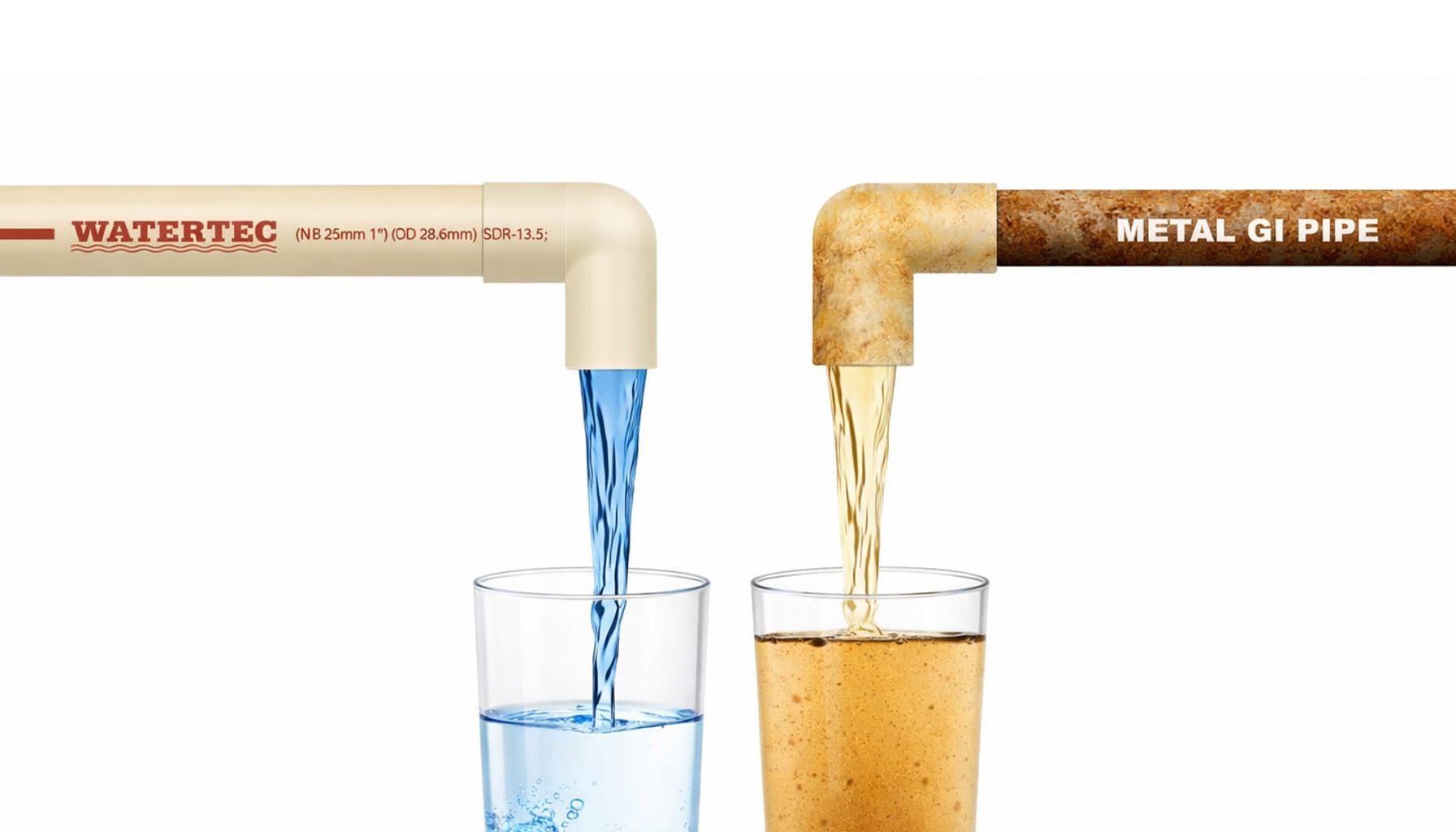
Most of the time, we can find that older Indian homes have their bathroom and kitchen water lines made up of metal (GI or other metals), which are used for hot water. These pipes, in due course of time, get narrowed due to scaling, they rust from the inside, and thus they begin to leak at the threads and elbows.
In case you are refurbishing your home, changing your geyser, or adding a new bathroom, then it is the appropriate moment to make a plan for a complete or partial transition to a polymer hot water pipe system. If done right, you not only get a cleaner flow, better temperature stability, but also a service life that is several times longer.
Why old metal hot water lines fail in Indian homes
In Indian cities, hard water and fluctuating supply pressure put heavy stress on metal pipes. Mineral deposits reduce the internal diameter and create hot spots that speed up wear at bends and joints.
Threaded joints on old metal hot water pipe runs are also a common failure point. Teflon tape and sealants break down over time under temperature cycling, which shows up as seepage on walls and damp patches near bathrooms.
Why polymer systems make sense for hot water
Modern engineered polymer systems are built to handle temperatures, pressure, and water quality that are normal in Indian homes. The material does not react with water the way metal does, so the bore stays smoother for longer, even with hard water.
Compared to old metal lines, a polymer hot water pipe network is lighter, easier to route, and more forgiving during installation. This reduces mechanical stress on fittings and greatly lowers the chance of cracks from building movement or poor support.
Polymer vs metal: what really changes for you
From a homeowner or project owner viewpoint, shifting from metal to polymer is less about trend and more about lifecycle economics. You spend once on material and installation, then avoid repeated repairs that come with old metal.
It also improves water quality at the outlet. With a good polymer hot water pipe system, you see less discolouration and fewer particles in your taps and showers, especially after a long gap in use.
Are PVC pipes and fittings right for hot water?
Not every plastic-looking pipe is suitable for hot water. Standard PVC pipe and fittings are widely used for cold water and drainage, but have limits on temperature and pressure.
For continuous geyser use and pressurised systems, you should look at polymer grades specifically rated for hot water, rather than relying on generic PVC pipe and fittings that were designed only for ambient supply lines. This is where brand-level engineering and clear specifications matter.
Planning a smart retrofit instead of blind replacement
A good retrofit plan does not just swap pipe for pipe. It starts with a quick survey of your existing layout, pressure conditions, and hot water usage points.
Walk room by room and note which walls are tiled, which lines are accessible from shafts, and where you can use surface-mounted runs with proper clips. Then you and your plumber can decide where a polymer hot water pipe can fully replace metal, and where partial upgrades or adaptors make more sense.
Key checks before you choose a polymer system
Before you finalise a brand for your new hot water pipe network, keep your evaluation very practical:
Temperature rating and pressure rating at different temperatures
Compatibility with your geyser capacity and pump, if any
Recommended jointing method and cure time
Availability of matching PVC pipe and fittings or other compatible fittings locally
Clear, published data on these points show that the brand has actually engineered the system for Indian hot water use, not just rebranded a cold-water line.
Why Watertec often enters the shortlist
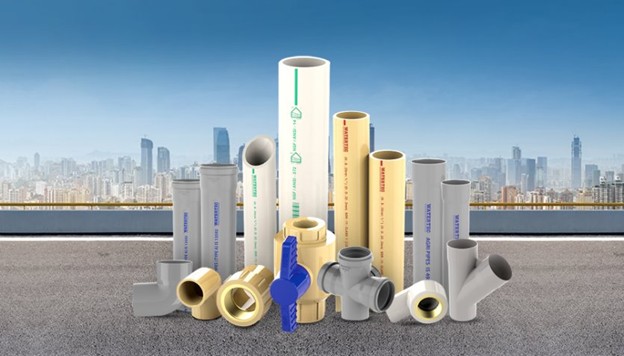
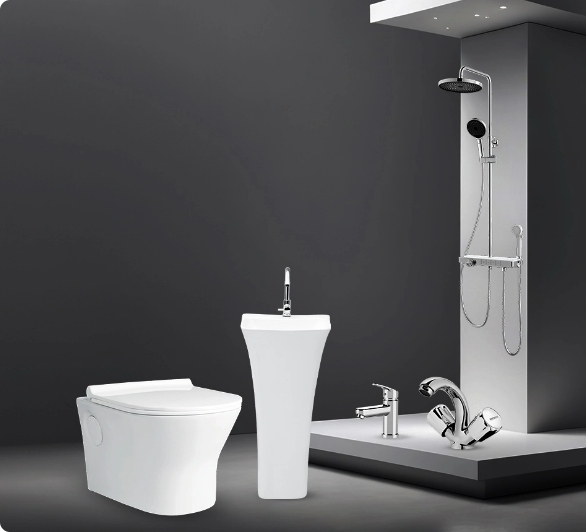
Watertec has built its larger story around engineered polymers for Indian bathrooms and plumbing, not as an afterthought. The same materials expertise used in its bath fittings extends into its plumbing solutions, including hot water pipe and related components.
For project buyers and homeowners, this means you get a system that is designed as a family of pipes, valves, and fittings that work together. You also get structured catalogues, clear product codes, and service support through a wide dealer network, which matters when you need specific PVC pipe and fittings or adaptors at short notice.
Practical retrofit sequence your installer can follow.
A smart, low stress retrofit usually follows a clear sequence. This keeps downtime low and avoids surprises:
Isolate and drain the old hot water circuit.
Cut and cap metal stubs where needed to protect tiles and finishes.
Route new polymer hot water pipe (like DFPS011C3P50 or DFPS011C5P25 from Watertec India) along planned runs with proper supports.
Use recommended jointing methods and allow full curing time.
Pressure tests the system before closing any shafts or boxing.
Documenting the new layout with simple sketches or photos helps you or the next owner if any change is needed in future.
FAQs: what Indian buyers usually ask
Can polymer hot water pipes handle geyser pressure and pumps?
Yes, if you choose a system that is certified for the temperatures and pressures your geyser and pump produce. Always cross-check the data sheet and follow the brand’s design limits.
Will PVC pipe and fittings be enough for my hot water line?
For most internal hot water runs in Indian homes, you should move beyond basic PVC pipe and fittings and choose polymer systems that are clearly labelled and tested for hot water applications.
Conclusion: choose engineering, not just material
Upgrading your hot water pipe network is not a cosmetic change. It is a structural decision that affects safety, comfort, and maintenance costs for the next decade or more.
When you compare polymer options and PVC pipe and fittings from different brands, focus on tested ratings, clear specifications, and local support rather than only price per metre. Brands like Watertec, which treat polymers and Indian water conditions as core engineering inputs, usually deliver more stable performance and fewer plumber visits over the life of the system.