
January 23, 2026
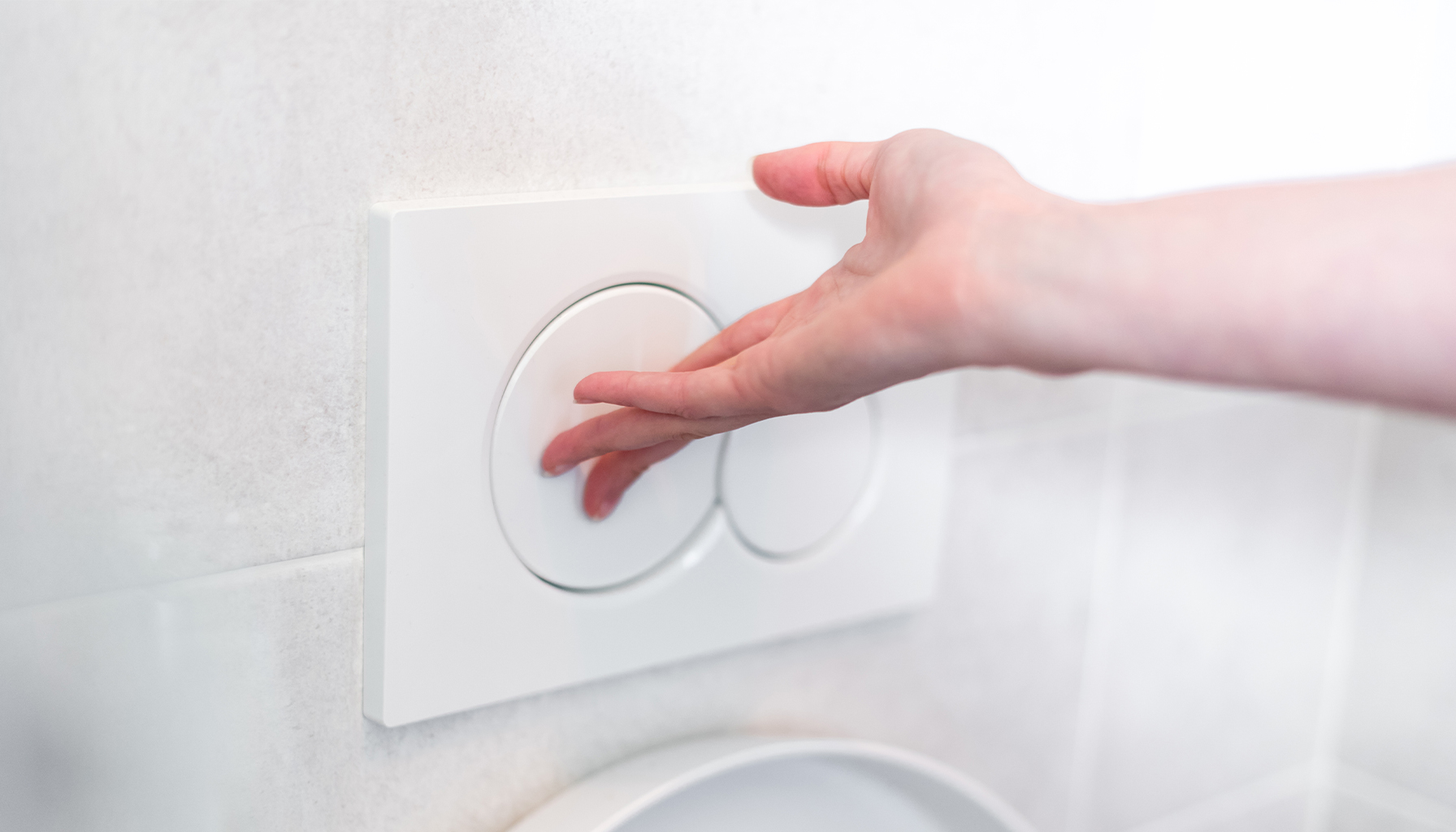
A bathroom rarely breaks down all at once. More often, small signs appear quietly, an inconsistent flush, unexplained water sounds, or damp patches near the toilet. These issues usually point to one overlooked component: the cistern.
While fixtures like tiles and sanitaryware are visible and frequently updated, the cistern works behind the scenes. Over time, ageing mechanisms and older materials can reduce efficiency, increase water wastage, and lead to avoidable repairs.
Recognising the right moment to upgrade can help maintain hygiene, performance, and peace of mind.
Subtle Signs Your Cistern May Need Replacement
A cistern doesn’t have to fail completely to cause problems. Watch out for these common indicators:
Persistent Water Seepage
Moisture near the toilet base or behind walls often suggests internal leakage. Left unattended, this can weaken wall structures and inflate water bills.
Inconsistent or Weak Flushing
If flushing requires multiple attempts, internal components may be worn out or no longer regulate water flow properly.
Continuous Refill Noise
A cistern that keeps refilling after every flush usually has valve or float issues, leading to silent but constant water loss.
Outdated Internal Parts
Older cisterns often rely on components that are difficult to replace, turning simple repairs into repeated, short-term fixes.
How Today’s Cisterns Are Engineered Differently
Modern cisterns are designed to meet current water-efficiency standards while fitting seamlessly into contemporary bathrooms. The focus has shifted from bulky designs to systems that deliver controlled performance with minimal noise.
Key improvements include:
Optimised water flow for effective flushing
Quieter refill mechanisms
Compatibility with concealed and exposed installations
Easier access for servicing
Material selection plays a crucial role in ensuring these systems last.
Virgin Polymer: Built for Long-Term Bathroom Use
Modern cisterns increasingly use high quality Virgin polymer, a material chosen for its suitability in wet, enclosed environments.
Virgin polymer offers:
High resistance to moisture and humidity
Structural stability that holds shape over time
Smooth surfaces that reduce dirt buildup and simplify cleaning
Reliable performance under daily usage conditions
These properties make ABS polymer suitable for both concealed and exposed cistern installations, where durability and consistency are essential.
Concealed or Exposed: Making the Right Choice
Concealed Cisterns
Installed behind the wall, concealed cisterns support clean, minimal bathroom layouts. They’re ideal for modern designs where visible plumbing is kept to a minimum.
Exposed Cisterns
Mounted directly on the wall, exposed cisterns allow easier access for maintenance and are often preferred in renovation projects or utility bathrooms.
The decision depends on layout constraints, access preference, and long-term servicing considerations.
When Upgrading Makes Sense
Consider replacing your cistern if:
The bathroom is more than a decade old
Flushing issues occur repeatedly.
You’re already renovating walls or tiles.
Water efficiency is a priority.
Upgrading during planned renovation avoids unnecessary rework later.
Final Thoughts
A cistern may not draw attention, but its role in daily bathroom use is constant. Addressing early warning signs and choosing a well-designed system can prevent larger plumbing issues down the line.
Sometimes, the best upgrades are the ones that work quietly, improving efficiency, hygiene, and reliability without demanding notice.